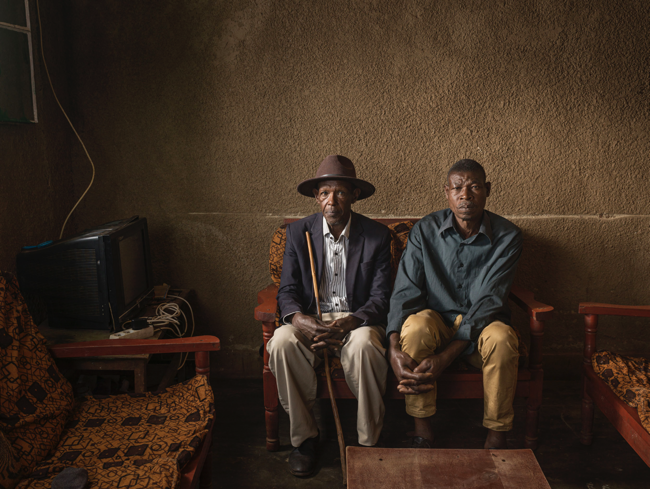
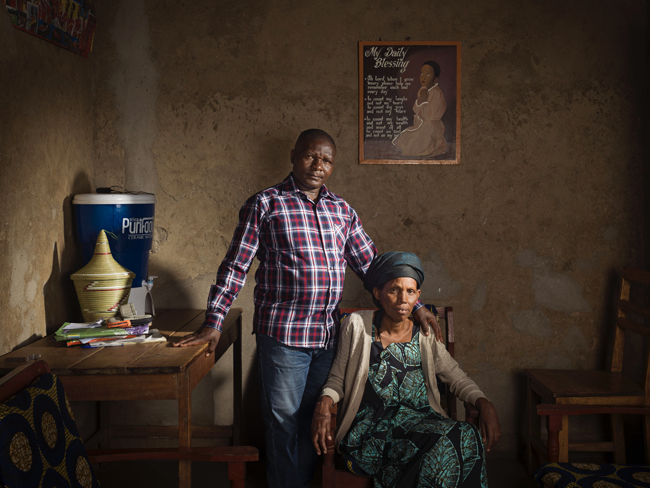
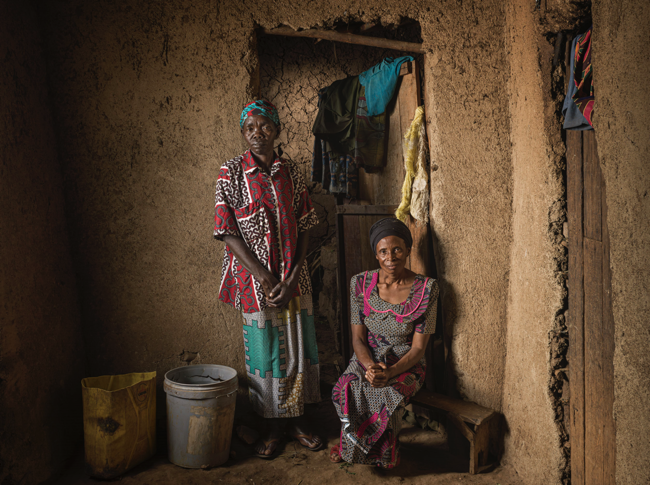
Have you ever felt a brief surge of irritation toward a neighbour, because of the way he barbecues while you are trying to enjoy a quiet afternoon in your garden, or because she speaks loudly while you are attempting to nap in the sun? Such frustrations are part of everyday life and don’t lead to murder. In Rwanda, however, something far darker unfolded. Between April and July 1994, ethnic neighbourly tensions escalated into unimaginable violence. Hutu civilians organised in militia turned against their Tutsi neighbours solely because of their identity. What followed, now known as the Rwandan genocide, claimed the lives of between 500,000 and one million innocent people. When the killing stopped, the survivors were left to face one another and still do today. How could such a frenzy begin? Why did it happen? These are questions with no simple answers. People had to continue living while mourning their loved ones. Perpetrators were tried for their crimes and, in many cases, later released back into the same communities as their victims. Is reconciliation between murderers and survivors possible? These are the questions explored in this small but powerful exhibition at the Photography Museum Hilversum. Photographer Jan Banning presents portraits of Hutus and Tutsis side by side, neighbours, former friends, people whose lives became tragically intertwined when violence tore their communities apart. Accompanied by clear and carefully written texts that tell individual stories, the exhibition allows us to begin to grasp both the horrors endured and the immense difficulty of the path toward reconciliation. Yet the message of the exhibit is not only one of tragedy. Ultimately, it is also a powerful message of hope.