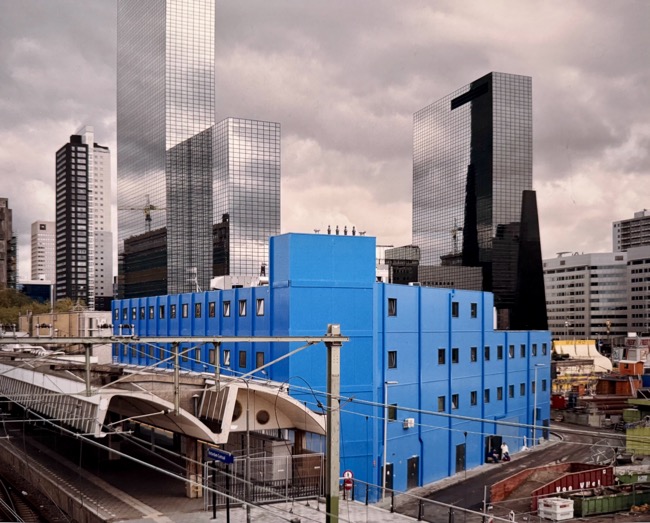
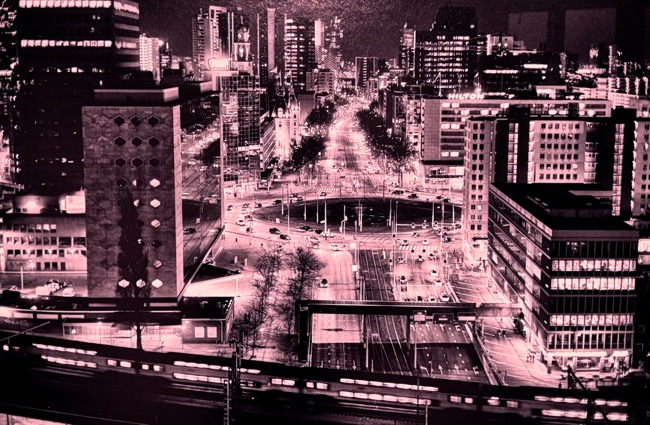
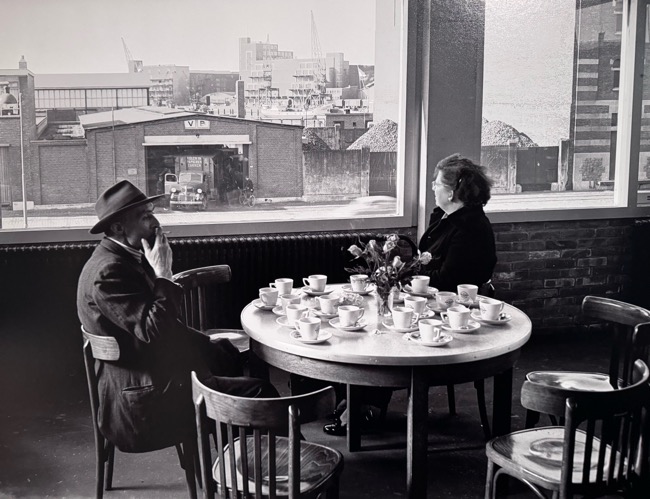
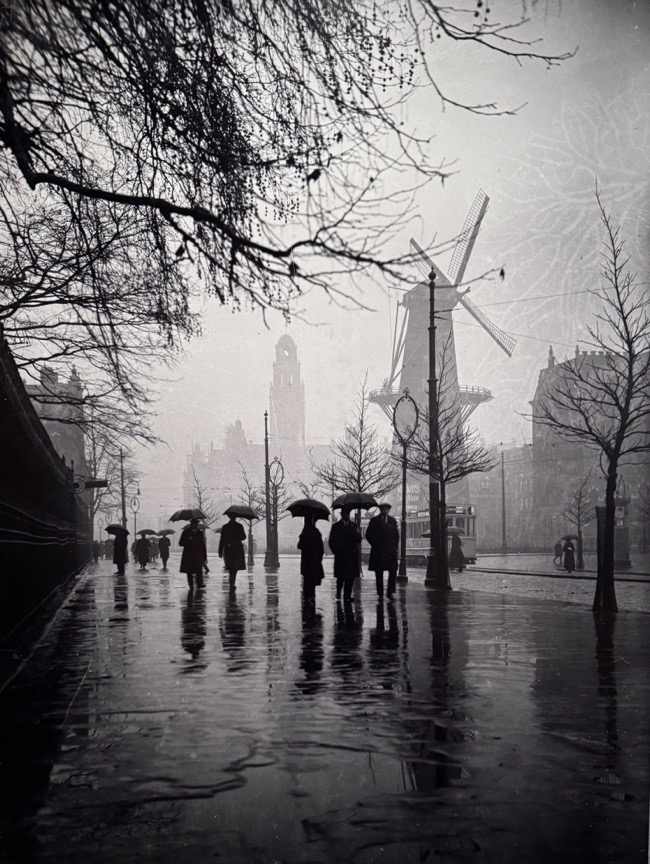
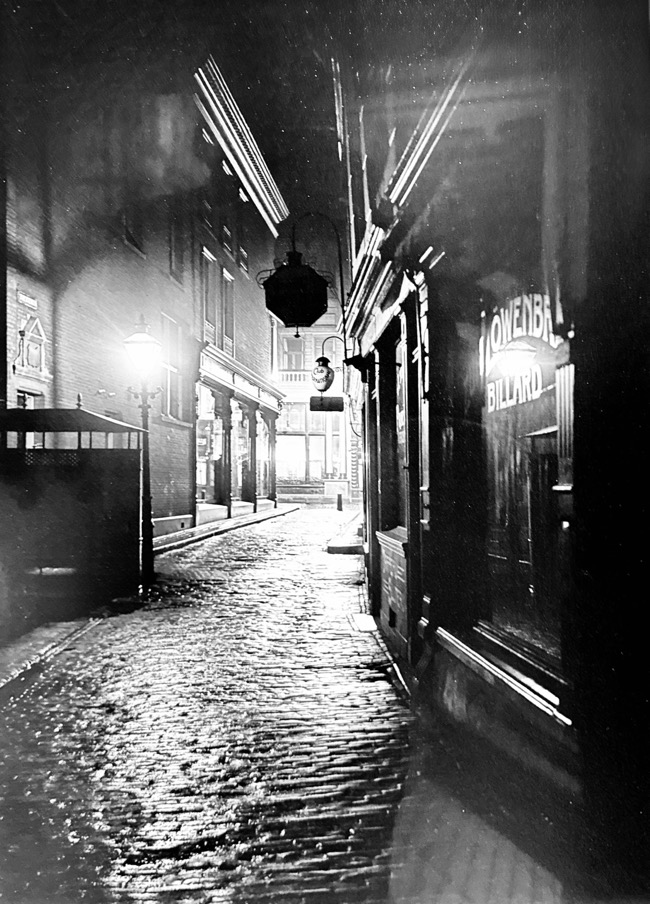
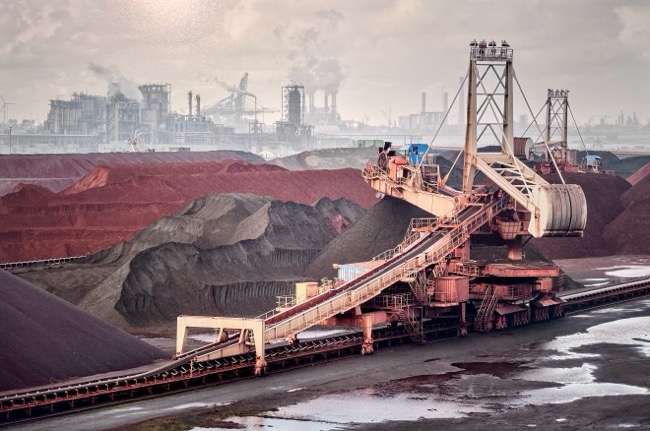
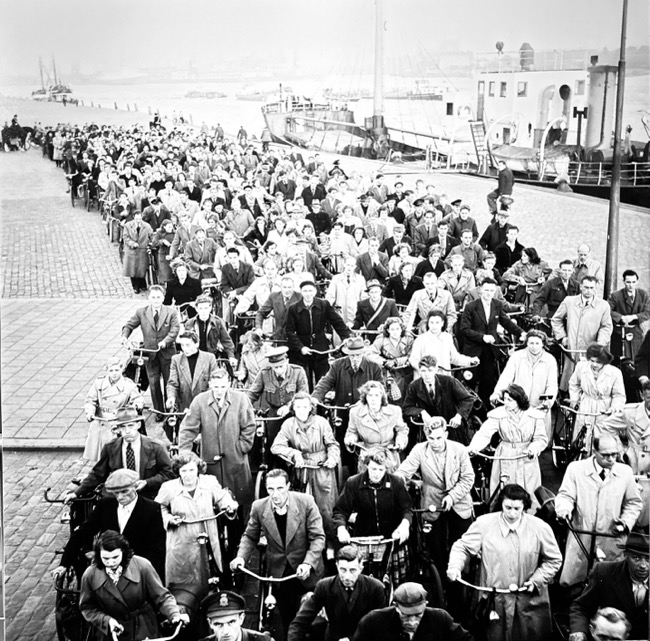
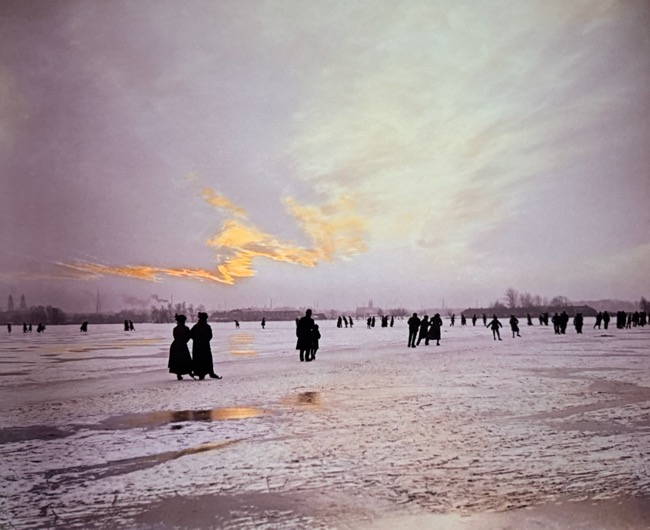
As a first large-scale exhibit in its new clothes, The Nederlands Fotomuseum invites us to take a journey through photographs that describe the urban landscape of Rotterdam. The journey begins with an image taken in 1843 and continues through to contemporary drone and panoramic photography. More than 300 photographs in total trace 180 years of photographic development. Created by both professional and amateur photographers, the images encourage us to look at the city in new ways and to pay closer attention to its details. Throughout history, Rotterdam has been photographed from many different perspectives. After the Second World War, photographers such as Cas Oorthuys portrayed a tidy, bright, modern city, where empty spaces symbolised progress. In the 1960s and 1970s, Carel Blazer and Onno Meeter offered a more colourful vision, revealing the social and economic challenges of the time. During the 1980s and 1990s, photographers such as Jannes Linders and Gilbert Fastenaekens challenged Rotterdam’s clean image by focusing on industrial sites, vacant buildings, and shabby spaces, contributing to the rise of the “urban landscape” as a new photographic genre. Rotterdammers rush to the exhibition to see and experience their city. Many point out where they once lived or still live, turning the visit into a lively and personal experience for them. For my part, I focused less on recognisable places (although I did some) and more on the photographs that resonated with me from a purely photographic standpoint.