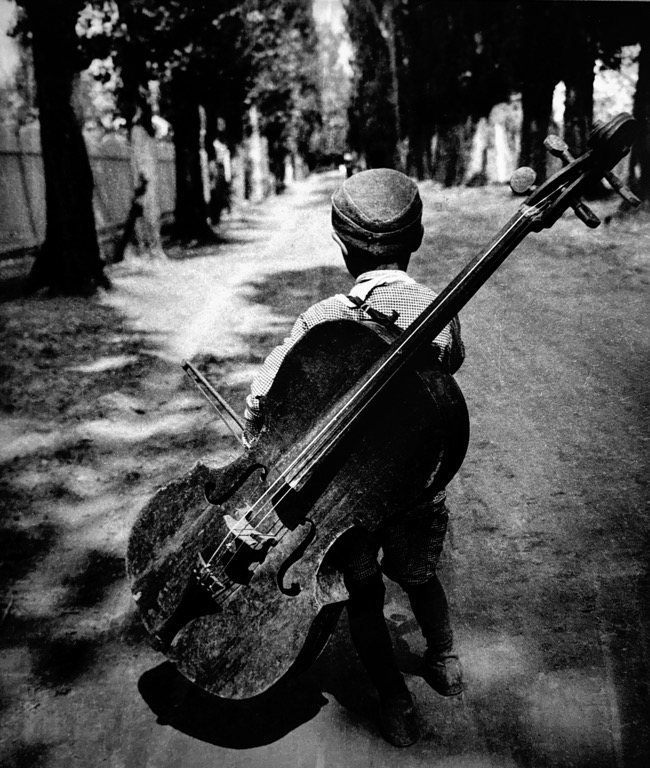
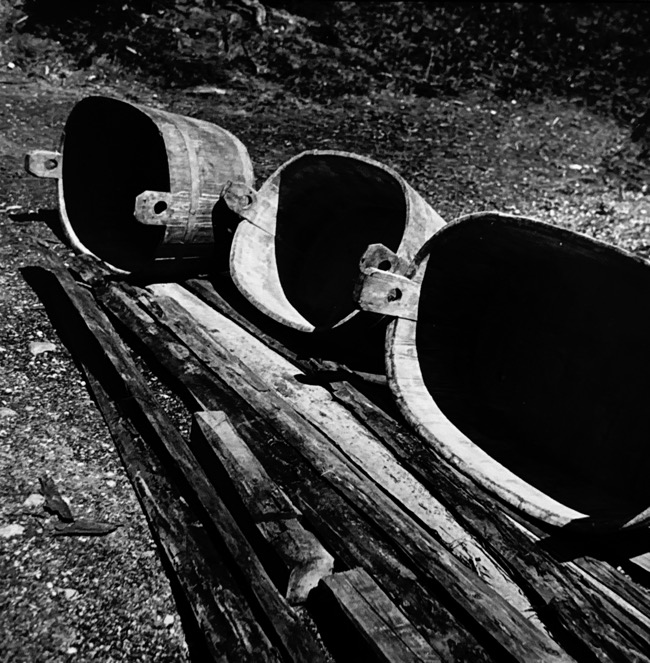
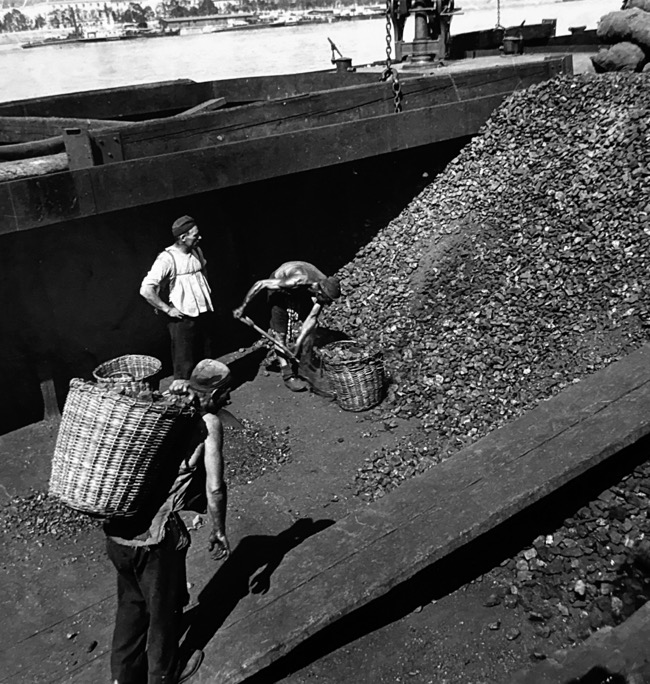
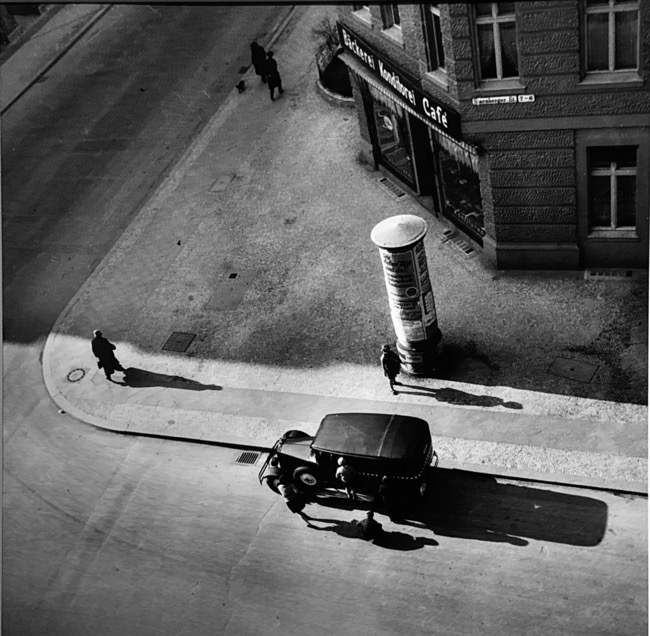
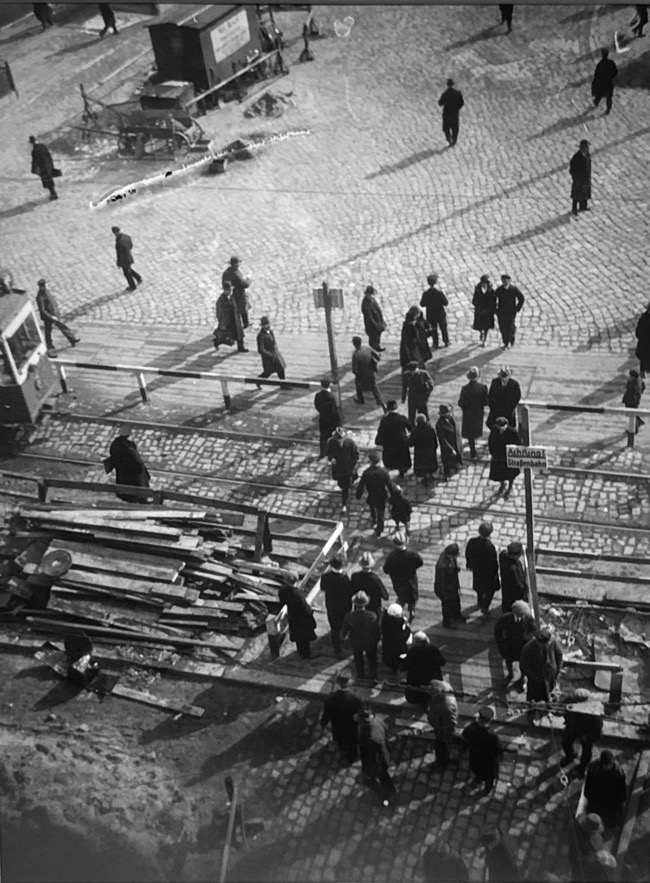
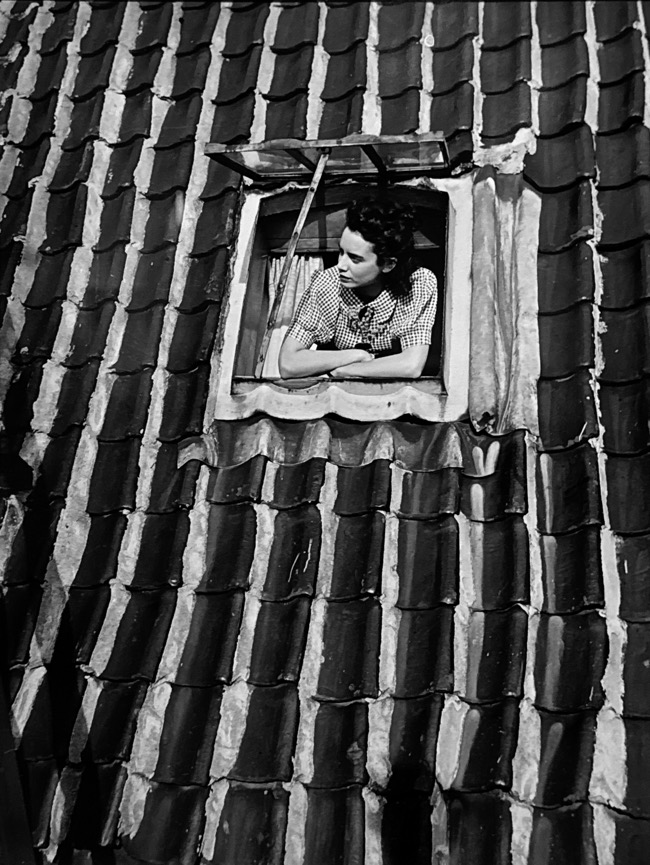
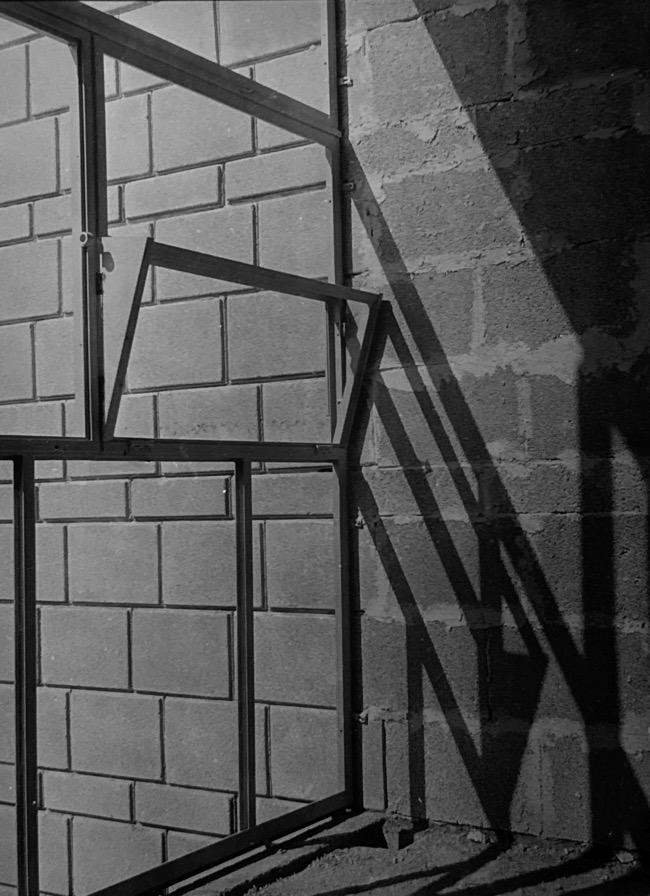
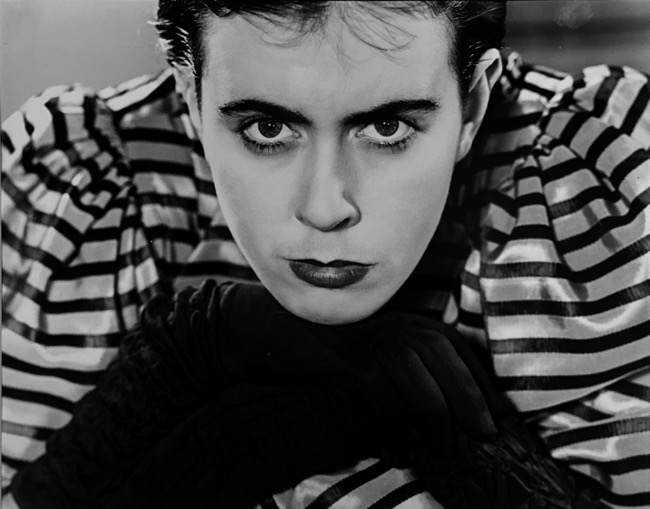
I first came across Eva Besnyö in 2018, in an exhibition at the Cobra Museum in Amstelveen, featuring her alongside two other Hungarian ladies, Kati Horna and Ata Kandó. I wrote about it here. Besnyö was a remarkable photographer who helped shape modern photography, using her camera in a fresh and experimental way to capture everyday life with energy, movement and strong compositions. The major retrospective at Fotomuseum Den Haag follows her journey from Budapest and the streets of 1930s Berlin to Amsterdam, while also showing how the Second World War and her involvement with the feminist Dolle Mina movement influenced her life and work. With around 200 photographs, including some very powerful images such as these views from above taken in Berlin, the exhibition offers a fantastic opportunity to (re)discover a photographer whose work still feels remarkably fresh today. I was particularly impressed by the quality of the prints, the framing and the way the photographs are presented on the walls. There is something very satisfying about seeing the best of Eva Besnyö’s work given the space and attention it deserves.