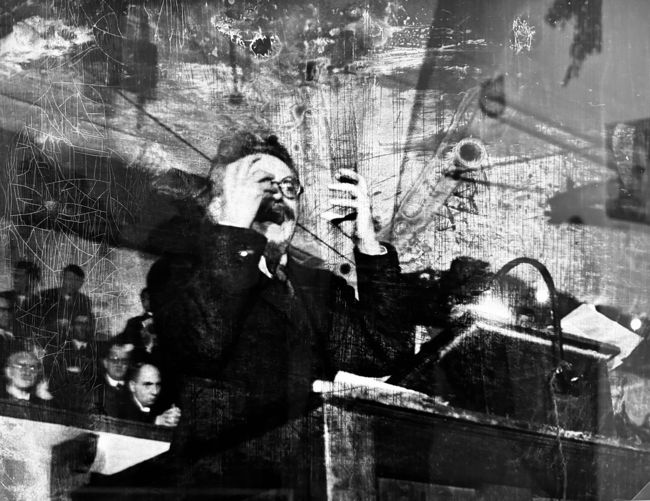
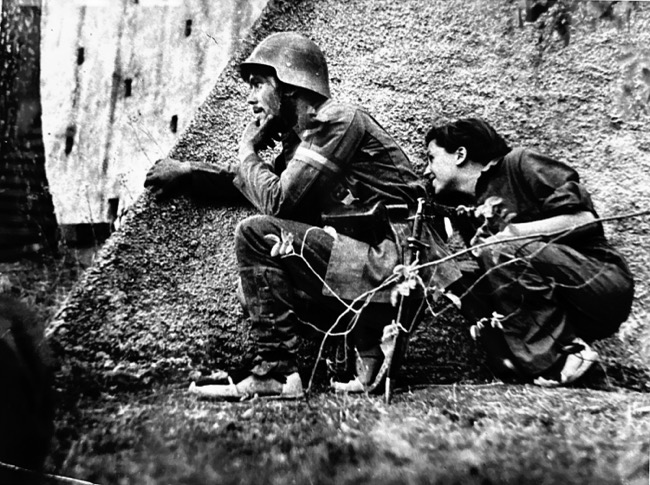
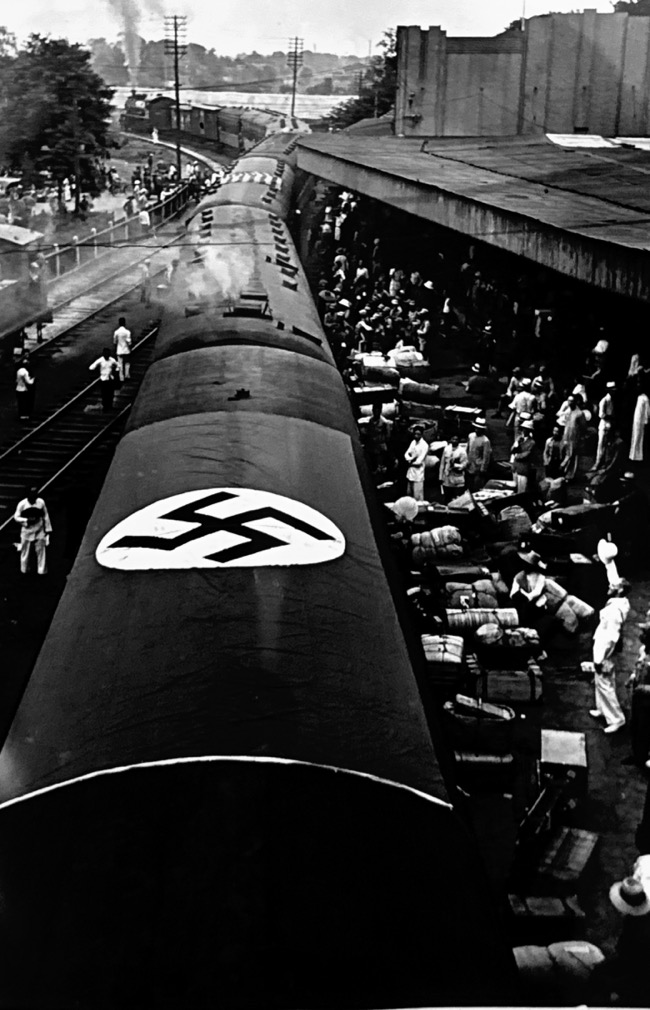
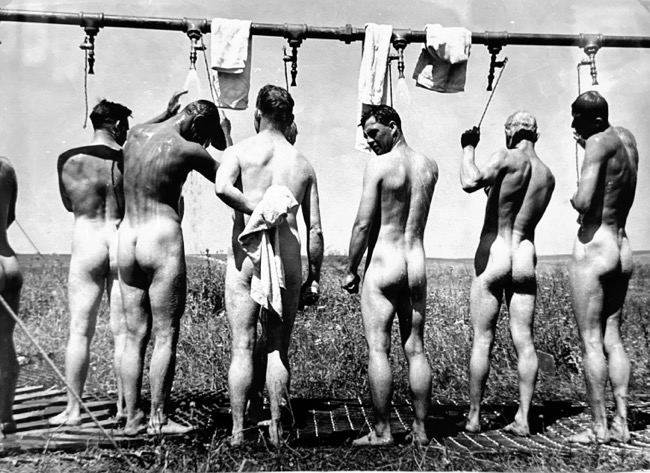
A poor play on words to introduce the work of a Great War photographer, Endre Friedmann, alias Robert Capa. The Musée de la Libération in Paris presents his unusual pathway from his birth in Budapest in 1913 to his death on a landmine in a field of Indochina in 1954. Capa is mainly celebrated for two iconic images: the death of a Republican soldier in Spain during the Civil War in 1936, and a blurred American GI wading through the waters of Omaha Beach on D-Day. But he was so much more than those two frames. A true war photographer in every sense, he placed himself at the heart of the action, in Spain, China, Tunisia and Normandy, during the liberation of Paris on August 25th, 1944, and finally on the ground with French troops in Indochina, a posting that would cost him his life. A fate shared, a few years later, by Gilles Caron and so many others who believed that bearing witness was worth the risk. An interesting film complements the exhibition: footage of Robert Capa in action on August 25th, 1944, as the troops of General Leclerc enter Paris. You can see him at work as pockets of German resistance still hold out, moving through the frame, climbing on a tank, appearing near Leclerc and later de Gaulle himself. The film then draws a direct parallel with the photographs he took that same day, revealing in real time the eye and instinct behind each shot: a fascinating tribute to the work of a photographer.