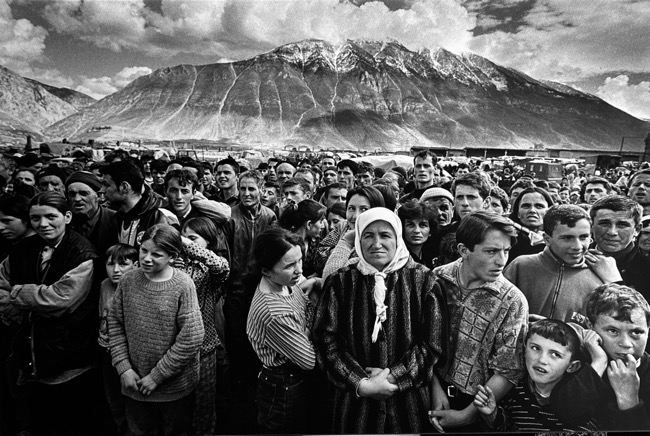
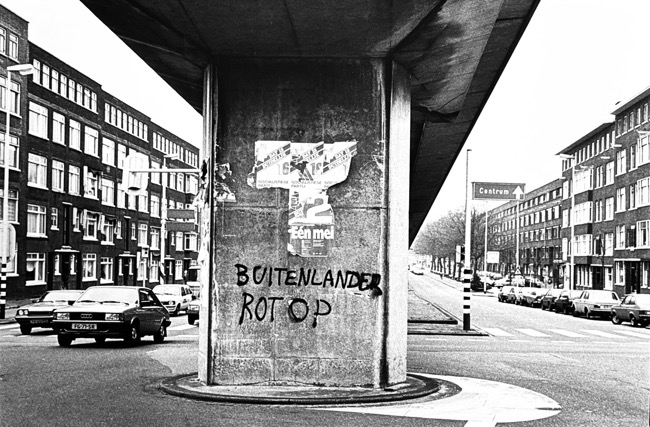
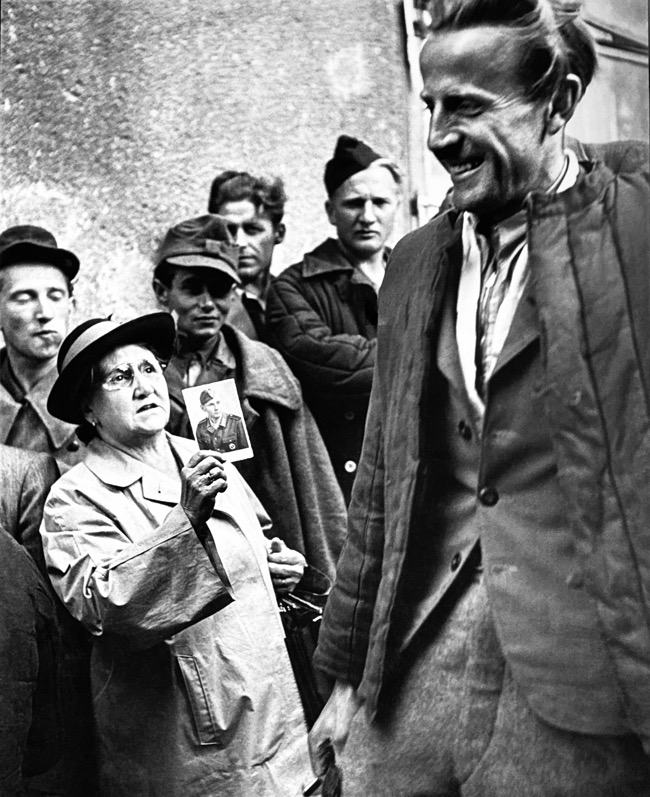
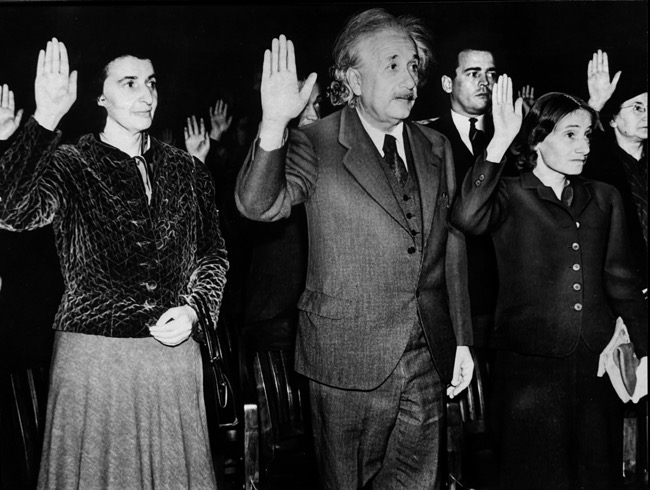
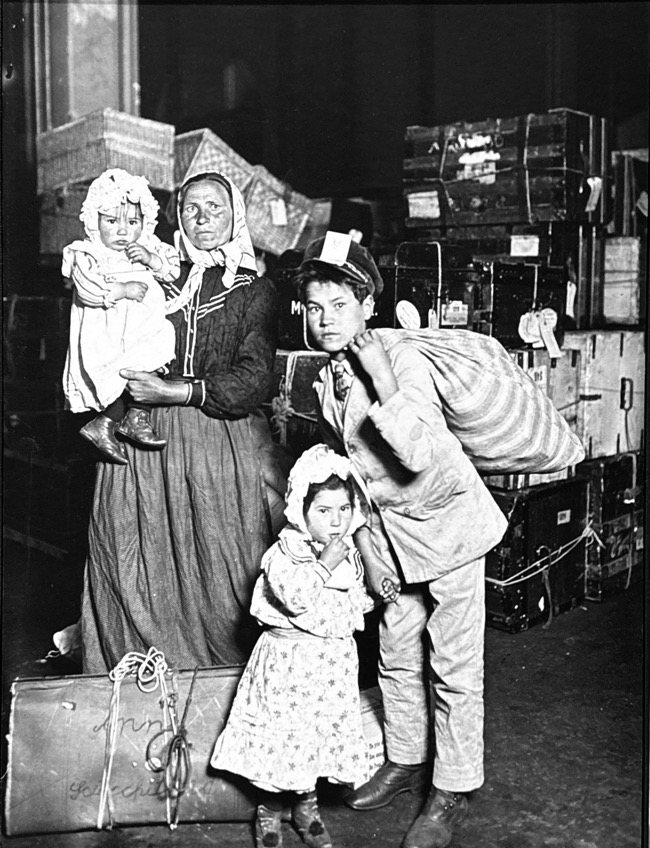
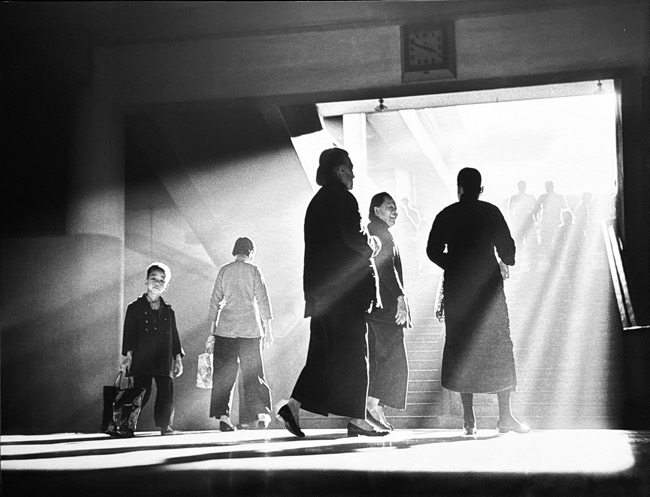
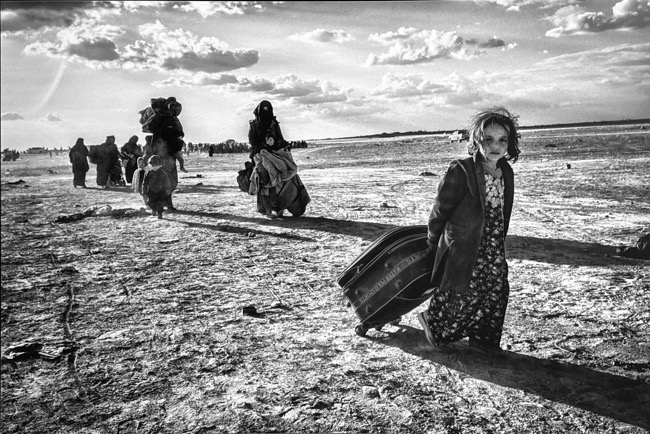
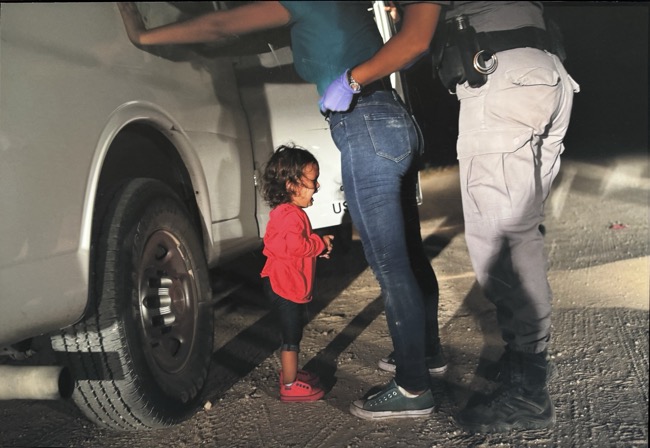
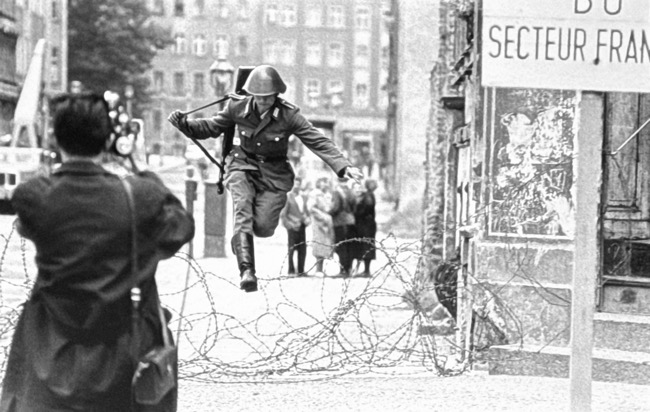
Migration is as old as humankind. From the African Rift Valley and other parts of the continent, people gradually spread, step by step, from one valley to the next, then to the other side of the river, where the grass was greener and the game more abundant, until they had covered the whole planet.Deciding to leave one place for another has mostly been a matter of necessity: the search for a better life, a safer place, more food, a shelter in which to raise children, or an escape from tyranny. Throughout history, people have moved on foot with nothing or on horseback. They met the people who already lived there. Sometimes they were welcomed, sometimes not, and encounters could lead to war, more misery and more suffering. The earlier inhabitants forgot that their own ancestors had once been migrants too, who settled in the place they now claimed as theirs, possibly after driving out or exterminating those who came before. The story has repeated itself ever since, right up to this day. My own genealogy reveals a large share of ancestors from what is now Belgium, along with a Swiss, a Swabian and a Scot. Migrants who eventually settled and made me who I am today, a migrant myself, from a family of Migrants. This is also the title of a beautiful exhibition at Fenix, the new museum of migration in Rotterdam. It brings together some 200 photographs from around the world, by famous and lesser-known photographers, telling the story of migration in the twentieth century. Migration is about departure, travel and arrival, and the photographs take us along the whole journey, from beginning to end. It is a story full of drama, pain and suffering. Leaving a home, crossing hostile territories, arriving in the unknown, facing rejection, discrimination, isolation, language barrier, cultural adjustment. It is all there, in a touching way. We walk through the room, discovering the different stages with emotion and humility. The bottom line: if we are all members of the Family of Man, the 1955 exhibition that inspired this one, are we not also members of the Family of Migrants?