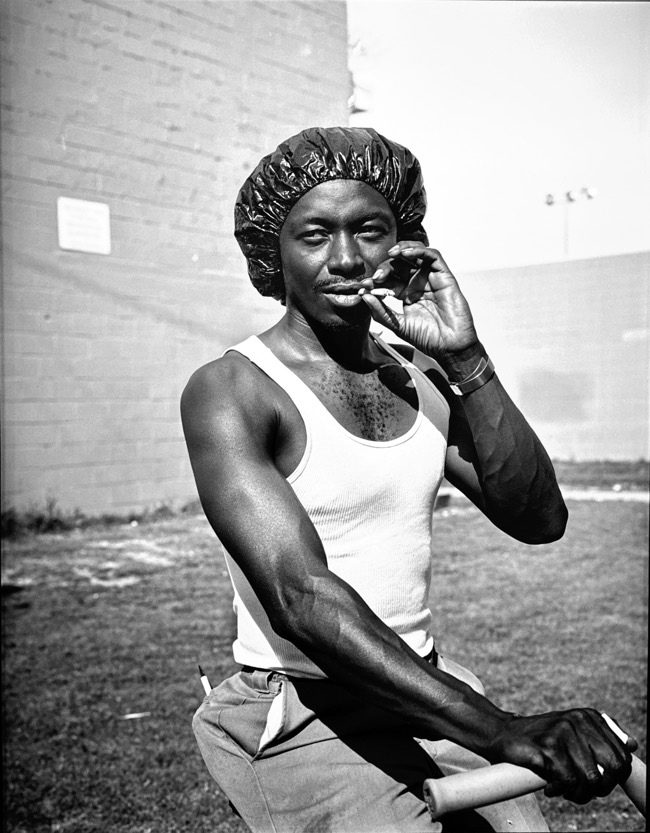
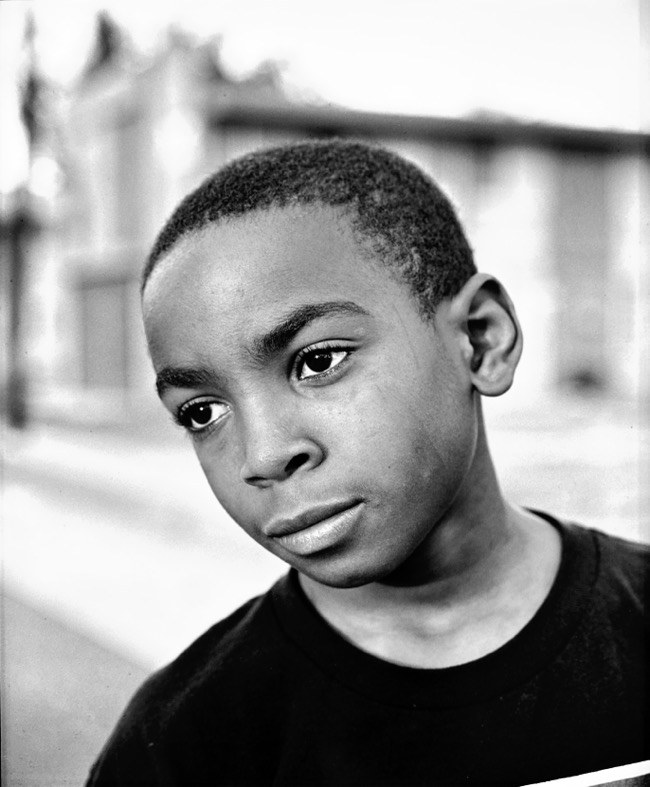
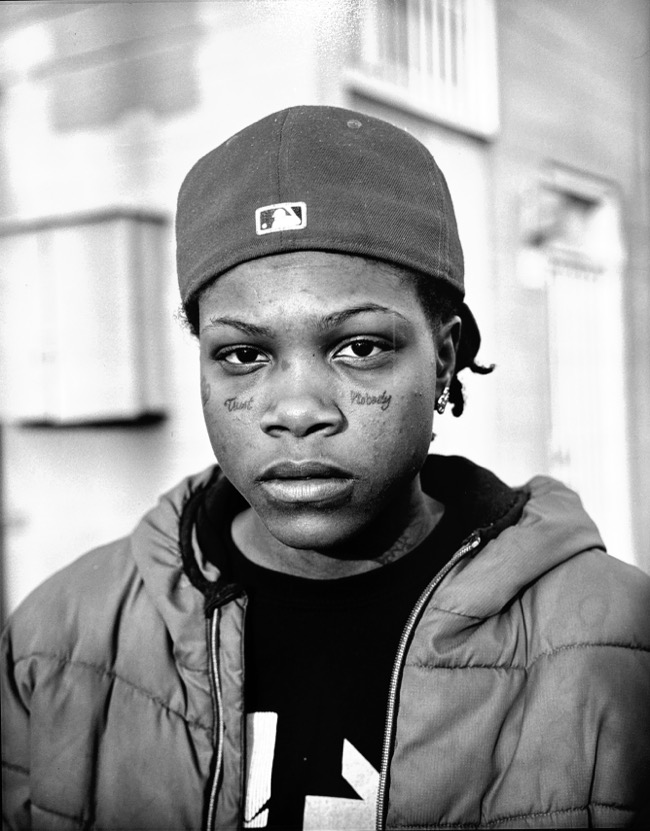
“I don’t like portraits,” he said. “It’s not about portraits, it’s about stories,” I replied. “I don’t like portraits,” he said again.
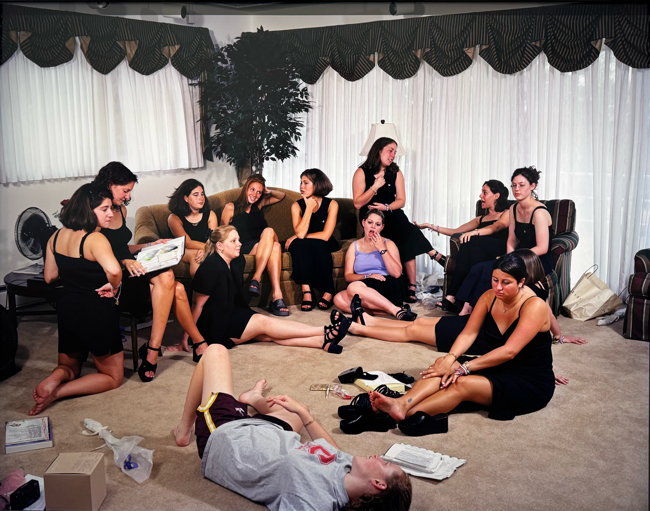
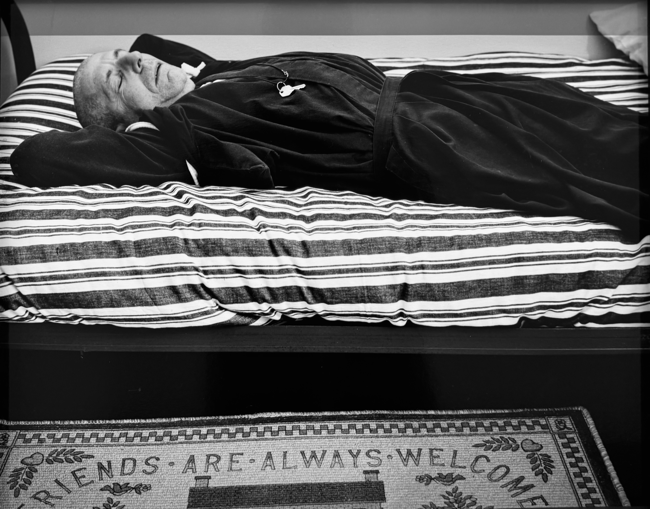
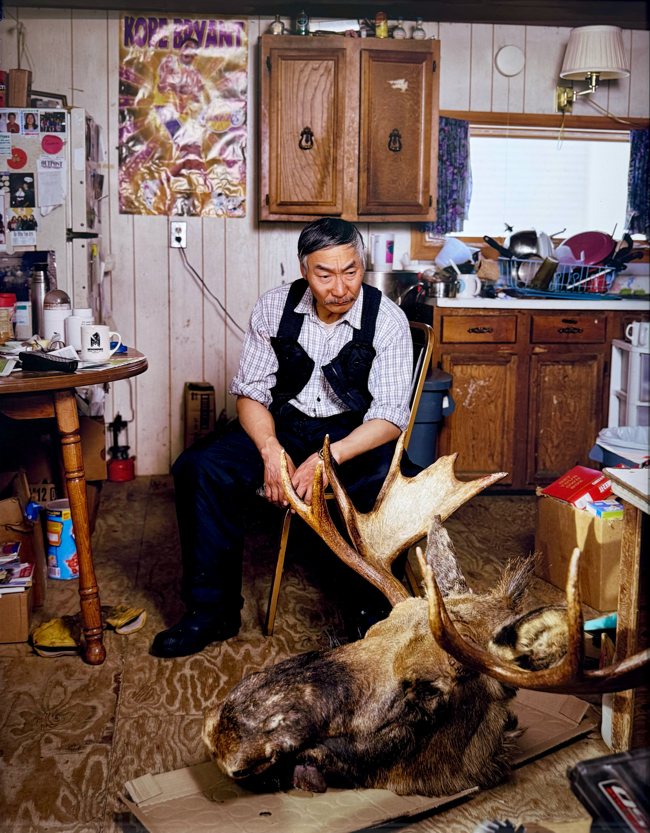
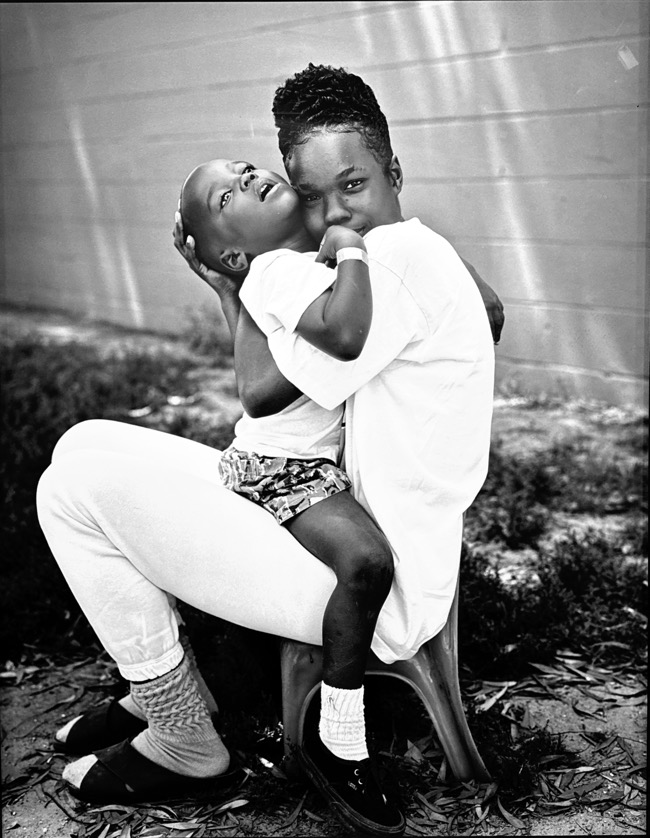
Dana Lixenberg has spent her already long career with the human being as her central subject. We encountered her work on De Wallen in Amsterdam just a few weeks ago. Now it is the MEP, Maison Européenne de la Photographie in Paris, that dedicates a sweeping retrospective to her work, covering more than thirty years in the United States under the title American Images. We meet several well-known figures from the (North) American cultural scene: Leonard Cohen, Kate Moss, Allen Ginsberg, Paul Auster, Donald Fagen and many others. But we also meet the inhabitants of Jefferson, Indiana; the residents of Shishmaref, a small isolated town in Alaska; and above all, the people of Imperial Courts in Los Angeles, seen across several generations, in a deeply affecting portrait (he is always right) of what it means to be Black in yesterday’s and today’s America. After what she calls a “slow dance” with her subjects, Dana earned their trust, and with it, their stories. And these stories are, for the most part, saddening and raw: drugs, racism, unemployment, poverty, sickness. An America that rarely makes the headlines, except when these people rise up against the system and make themselves heard, before falling back into drugs, racism, unemployment, poverty, sickness. For me, the image that says it all is Solé, a young boy photographed by Dana in 2020, with the words “trust nobody” tattooed across his face. Quite far from the “In God We Trust” printed on the currency of the world’s foremost power.